

Category: Loan Programs
What Sets Commercial Mortgages Apart from Residential Mortgages?

Mortgages serve as the backbone of property financing, offering individuals and businesses alike the opportunity to own or invest in real estate. While both commercial and residential mortgages play pivotal roles in the property market, they cater to distinct needs and operate under different dynamics. In this article, we delve into the nuances that distinguish commercial mortgages from residential mortgages, shedding light on what makes each type unique and exploring the factors that shape their respective landscapes.
Understanding Mortgages
Before we delve into the specifics, let’s establish a foundational understanding of mortgages. At their core, mortgages are loans secured by real estate, enabling borrowers to purchase properties by leveraging a portion of the property’s value as collateral. While mortgages come in various forms, including fixed-rate and adjustable-rate options, the focus here is on the contrasting features of commercial and residential mortgages.
Commercial Mortgages: An Overview
Commercial mortgages are tailored to finance properties intended for business purposes. These properties encompass a wide range of asset types, from office buildings and retail spaces to industrial complexes and multifamily residences with five or more units. The primary objective of commercial mortgages is to facilitate the acquisition or development of properties that generate income through leasing or other commercial activities.
Residential Mortgages: An Overview
In contrast, residential mortgages are designed for individuals or families seeking to purchase homes for personal occupancy. These mortgages cater to a diverse array of residential properties, including single-family homes, condominiums, townhouses, and multifamily dwellings with fewer than five units. Residential mortgages focus on providing individuals with a means to secure housing and establish roots within their communities.
Key Differences Between Commercial and Residential Mortgages
Several factors set commercial mortgages apart from their residential counterparts. Firstly, the property type and usage dictate the nature of the mortgage. Commercial mortgages finance properties intended for business use, while residential mortgages target properties primarily used for personal dwelling. Additionally, the loan terms and conditions vary significantly between commercial and residential mortgages, reflecting the distinct risks and dynamics associated with each market segment.
Factors Influencing Interest Rates
Interest rates on mortgages are influenced by a multitude of factors, including property characteristics, borrower’s financial profile, and prevailing economic conditions. Commercial mortgage interest rates may differ from residential mortgage rates due to the unique risk profiles associated with each property type. Factors such as property location, tenant stability, and market demand can impact the perceived risk and subsequently influence the interest rates offered by lenders.
Benefits and Challenges of Commercial Mortgages
Commercial mortgages offer investors the potential for high returns and portfolio diversification. However, they also entail complexities and risks inherent to commercial real estate investing. Managing tenant relationships, navigating lease agreements, and addressing property maintenance and management are among the challenges faced by commercial property owners. Despite these challenges, commercial mortgages can be lucrative investment vehicles for those willing to navigate the complexities of the commercial real estate market.
Benefits and Challenges of Residential Mortgages
Residential mortgages provide stability and predictability for homeowners, offering a path to homeownership and long-term wealth accumulation. While residential properties may lack the scalability and income potential of commercial assets, they offer investors the opportunity to build equity and establish roots within their communities. However, residential property owners must contend with challenges such as property maintenance, neighborhood dynamics, and housing market fluctuations.
Conclusion
In conclusion, commercial mortgages and residential mortgages cater to distinct needs and operate within different market dynamics. While commercial mortgages focus on financing properties for business use, residential mortgages target properties intended for personal occupancy. Understanding the key differences between commercial and residential mortgages is essential for investors and homeowners alike. By assessing their investment objectives and risk tolerance, individuals can make informed decisions when navigating the mortgage market.
For expert guidance and personalized assistance with commercial and residential mortgages, consider reaching out to 1st Eagle Mortgage. With our expertise and dedication to client satisfaction, we are committed to helping you achieve your property financing goals.
No comments yetSelf-Employed Mortgage vs. Traditional Mortgage: Which Is Smoother?

Navigating the mortgage process can be a daunting task, especially for those who are self-employed. As more people embrace the flexibility of self-employment, understanding how self-employed mortgages compare to traditional ones becomes crucial. This article will help you explore the differences and figure out which option might be smoother for you.
Understanding Mortgages
A mortgage is a loan used to purchase a home, where the property itself serves as collateral. For many, securing a mortgage is a critical step in achieving homeownership. Mortgages come in various forms, but the two we’ll focus on are traditional mortgages and self-employed mortgages.
Traditional Mortgages
Eligibility Requirements
For traditional mortgages, lenders look for a stable employment history. They typically require proof of income through documents like W-2s and pay stubs, along with a good credit score. Lenders prefer borrowers who have worked at the same job or within the same industry for a couple of years.
Documentation Needed
When applying for a traditional mortgage, you’ll need to provide employment verification, financial statements, and proof of income. Lenders use these documents to assess your ability to repay the loan.
Application Process
The application process for a traditional mortgage involves several steps:
- Filling out an application.
- Providing the necessary documentation.
- Undergoing a credit check.
- Waiting for the lender’s approval.
This process can take a few weeks to complete.
Pros and Cons
Traditional mortgages come with several benefits, such as potentially lower interest rates and straightforward qualification criteria. However, the process can be challenging if you have a less stable job history or lower credit score.
Self-Employed Mortgages
Eligibility Requirements
For self-employed individuals, the eligibility requirements are slightly different. Lenders look for income verification through tax returns (usually the last two years), business financial statements, and a solid credit score.
Documentation Needed
To apply for a self-employed mortgage, you’ll need to provide tax returns, profit and loss statements, and bank statements. These documents help lenders assess the consistency and stability of your income.
Application Process
The process for self-employed mortgages includes:
- Filling out the application.
- Submitting extensive financial documentation.
- Undergoing a detailed credit check.
- Awaiting lender approval.
This process might take longer due to the additional scrutiny of income stability.
Pros and Cons
Self-employed mortgages offer flexibility for those with non-traditional incomes. However, they can be harder to secure due to stricter documentation requirements and potentially higher interest rates.
Key Differences Between Self-Employed and Traditional Mortgages
Income Verification
Traditional mortgages rely on W-2s and pay stubs for income verification, while self-employed mortgages depend on tax returns and business statements. This makes income verification for self-employed individuals more complex and time-consuming.
Stability of Income
Lenders perceive traditional employment as more stable, which can simplify the approval process. Self-employed borrowers must demonstrate consistent income, which can be challenging if their earnings fluctuate.
Documentation and Paperwork
Self-employed mortgages require more extensive documentation compared to traditional mortgages. The additional paperwork can slow down the process and make it more complicated.
Risk Assessment by Lenders
Lenders view traditional borrowers as less risky due to their stable income. Self-employed borrowers, however, are seen as higher risk, leading to more stringent scrutiny and potentially higher interest rates.
Interest Rates and Terms
Interest rates and loan terms may vary between traditional and self-employed mortgages. Self-employed individuals might face higher rates due to perceived income instability, while traditional borrowers often benefit from lower rates and more favorable terms.
Which Process is Smoother?
Application Complexity
Traditional mortgages are generally easier to apply for, especially if you have a stable job and straightforward financials. The process for self-employed mortgages can be more complex due to the need for detailed financial documentation.
Approval Likelihood
Approval rates for traditional mortgages tend to be higher due to clearer income verification. Self-employed individuals might struggle more with approval, especially if their income history is irregular.
Processing Time
Traditional mortgages typically have a shorter processing time because the documentation is straightforward. Self-employed mortgages can take longer due to the extensive review of financial records.
Flexibility and Adaptability
Self-employed mortgages offer flexibility in terms of income sources and financial documentation. However, traditional mortgages adapt more easily to stable, predictable income scenarios.
Borrower Experience
Borrowers with traditional employment often find the mortgage process smoother and less stressful. Self-employed individuals might face more hurdles, making the experience more cumbersome.
Tips for a Smoother Mortgage Process
For Traditional Mortgage Applicants
- Maintain a stable employment history.
- Keep your credit score in good standing by paying bills on time and reducing debt.
For Self-Employed Mortgage Applicants
- Keep thorough financial records and ensure your tax returns accurately reflect your income.
- Work on reducing any outstanding debt and improving your credit score.
- Consider consulting with mortgage professionals who specialize in self-employed mortgages for guidance.
General Tips for All Borrowers
- Shop around to compare rates and terms from different lenders.
- Get pre-approved to streamline the home buying process.
- Understand the specific requirements and expectations of your lender to avoid surprises.
Conclusion
Both traditional and self-employed mortgages have their own sets of challenges and benefits. Traditional mortgages are generally smoother for those with stable, predictable incomes, while self-employed mortgages require more extensive documentation and may take longer to process. Ultimately, the smoother option depends on your employment status and financial situation.
For personalized advice and expert guidance on navigating the mortgage process, whether you are traditionally employed or self-employed, reach out to 1st Eagle Mortgage. We’re here to help you find the best mortgage solution tailored to your needs.
No comments yetWhat Factors Influence the Interest Rates on Construction Loans?

When planning to build your dream home or undertake a significant renovation, understanding the factors that influence construction loan interest rates is crucial. These rates can significantly impact your overall project cost and financial planning. In this article, we’ll explore the key elements that determine construction loan interest rates to help you make informed decisions.
Overview of Construction Loans
Construction loans are short-term, high-interest loans used to fund the construction of a building or renovation project. Unlike traditional mortgages, which are based on the value of an existing property, construction loans are based on the projected value of the property upon completion.
There are two main types of construction loans:
- Construction-to-permanent loans: These loans cover the construction phase and automatically convert to a permanent mortgage once the project is finished.
- Stand-alone construction loans: These loans only cover the construction period. Once the construction is complete, you must apply for a separate mortgage to pay off the construction loan.
Key Factors Influencing Construction Loan Interest Rates
Borrower’s Creditworthiness
One of the most significant factors affecting your construction loan interest rate is your creditworthiness. Lenders look at your credit score and credit history to assess the risk of lending to you. A higher credit score often translates to a lower interest rate because it indicates that you are a reliable borrower. Conversely, a lower credit score might lead to higher interest rates as the lender takes on more risk.
Loan Amount and Project Size
The total loan amount and the size of your construction project also play a crucial role in determining the interest rate. Larger projects and higher loan amounts generally come with more risk for lenders, potentially leading to higher interest rates. On the other hand, smaller projects with lower loan amounts may attract lower rates due to the reduced risk involved.
Loan-to-Value Ratio (LTV)
The Loan-to-Value (LTV) ratio is the ratio of the loan amount to the appraised value of the completed property. A lower LTV ratio indicates that the borrower is putting more money down, which lowers the lender’s risk and can result in a lower interest rate. A higher LTV ratio means higher risk for the lender, often leading to higher interest rates.
Economic Conditions
Interest rates on construction loans are also influenced by the broader economic climate. Factors such as inflation, the Federal Reserve’s interest rate policies, and overall economic growth impact how much it costs to borrow money. During periods of economic stability and low inflation, interest rates tend to be lower. Conversely, during times of economic uncertainty or high inflation, interest rates may rise.
Duration of the Loan
The length of your construction loan term can affect the interest rate. Short-term loans might have lower interest rates because the lender’s exposure to risk is for a shorter period. However, the shorter duration means higher monthly payments. Longer-term loans might have higher interest rates due to the extended risk period for lenders.
Lender’s Risk Assessment
Lenders conduct a thorough risk assessment of the construction project before approving the loan. They evaluate the project’s feasibility, the builder’s experience, and the borrower’s financial stability. Projects perceived as high risk might attract higher interest rates to compensate for the potential risks involved. Conversely, well-planned projects with reputable builders might secure lower interest rates.
Down Payment Size
The size of your down payment significantly influences your construction loan interest rate. A larger down payment reduces the loan amount, lowering the lender’s risk. This often results in a lower interest rate. A smaller down payment increases the lender’s risk, which can lead to higher interest rates.
Property Location
The location of the construction project can also affect the interest rate. Properties in economically stable and growing areas are seen as lower risk, which can result in lower interest rates. Conversely, properties in areas with economic challenges or low growth potential might attract higher rates due to increased risk.
Builder’s Reputation and Experience
Lenders consider the reputation and experience of the builder when determining the interest rate for a construction loan. A builder with a proven track record and solid reputation can lower the perceived risk of the project, leading to more favorable interest rates. In contrast, using a less experienced or less reputable builder might result in higher rates due to the increased risk.
Additional Considerations
Fixed vs. Variable Interest Rates
Construction loans can have either fixed or variable interest rates. Fixed rates remain constant throughout the loan term, providing predictability in your payments. Variable rates can change based on market conditions, which means your payments could increase or decrease over time. Each type has its pros and cons, depending on your financial situation and risk tolerance.
Loan Structure and Disbursement Schedule
The structure of your loan and how the funds are disbursed can also influence interest rates. Construction loans are typically disbursed in stages, known as draws, as different milestones of the construction project are completed. The interest is usually charged only on the amount disbursed, not the total loan amount, which can affect the overall cost of borrowing.
Regulatory Environment
Government regulations and policies can impact interest rates on construction loans. Changes in regulations, such as new lending rules or adjustments to the Federal Reserve’s policies, can influence the cost of borrowing. Staying informed about regulatory changes can help you anticipate shifts in interest rates.
Strategies to Secure Better Interest Rates
Improving Credit Score
Enhancing your credit score is one of the most effective ways to secure a lower interest rate on a construction loan. Paying down debt, avoiding new credit inquiries, and correcting any errors on your credit report can improve your score over time.
Increasing Down Payment
Offering a larger down payment reduces the lender’s risk and can lead to lower interest rates. If possible, save up to increase your down payment, which can result in significant savings over the life of the loan.
Choosing a Reputable Builder
Selecting an experienced and reputable builder can positively impact your loan application. Lenders are more likely to offer favorable terms and lower interest rates if they trust the builder to complete the project successfully and on time.
Shopping Around for Lenders
Different lenders offer varying interest rates and terms. Shopping around and comparing offers from multiple lenders can help you find the best deal. Don’t hesitate to negotiate terms and rates to secure the most favorable conditions for your loan.
Locking in Rates
Interest rates can fluctuate based on market conditions. If you find a favorable rate, consider locking it in to avoid the risk of rates increasing before your loan is finalized. Discuss rate lock options with your lender to ensure you secure the best possible rate.
Conclusion
Understanding the factors that influence construction loan interest rates can help you make informed decisions and secure better loan terms. Key factors include your creditworthiness, loan amount, LTV ratio, economic conditions, loan duration, lender’s risk assessment, down payment size, property location, and the builder’s reputation. By improving your credit score, increasing your down payment, choosing a reputable builder, shopping around for lenders, and locking in favorable rates, you can effectively manage your construction loan costs.
If you’re ready to explore construction loan options or need expert advice, contact 1st Eagle Mortgage. We’re here to help you navigate the complexities of construction financing and find the best solutions for your needs.
No comments yetIs it Easier to Get a Mortgage Through a Bank or Mortgage Broker?
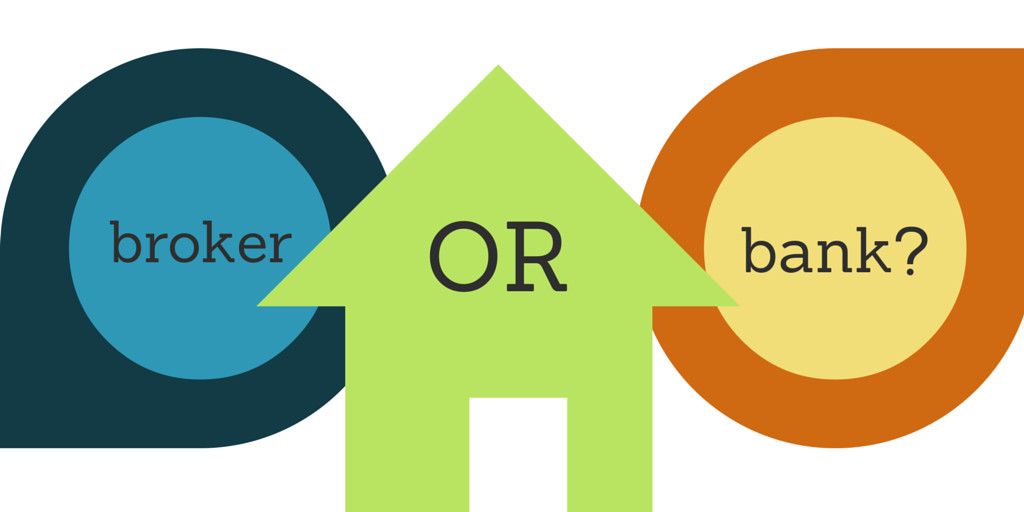
When it’s time to buy a home, one of the biggest decisions you’ll face is how to get your mortgage. You can go directly through a bank or use a mortgage broker. Both options have their advantages and challenges, and understanding them can make the process smoother for you.
Understanding Banks and Mortgage Brokers
Banks are large financial institutions that provide a variety of services, including mortgage loans. When you apply for a mortgage at a bank, you are dealing directly with the lender. Banks have their own set of products and interest rates, which they offer to their customers.
Mortgage brokers, on the other hand, act as intermediaries between you and multiple lenders. They don’t lend money themselves but help you find the best mortgage product by comparing different options available in the market. Brokers work with a network of banks, credit unions, and other lenders to find a mortgage that fits your needs.
Comparing the Processes
Application Process at Banks
Applying for a mortgage at a bank involves several steps. You’ll typically start by filling out an application form, either online or in person. The bank will ask for various documents like proof of income, employment history, and credit reports. They use this information to assess your financial stability and determine the loan amount you qualify for.
Application Process with Mortgage Brokers
When you work with a mortgage broker, they handle much of the paperwork for you. You provide the necessary documents to the broker, who then shops around to find the best mortgage options from different lenders. This can save you time and effort, as you don’t have to fill out multiple applications.
Time and Effort
Efficiency at Banks
Banks can be efficient, especially if you already have an account with them. Your existing relationship might help speed up the approval process. However, if your application is complex, the process can take longer due to strict regulations and internal procedures.
Efficiency with Mortgage Brokers
Mortgage brokers often streamline the process by doing the legwork for you. They handle the paperwork and communicate with lenders on your behalf, which can make the process quicker and less stressful. Since they work with multiple lenders, they might find a suitable loan faster than if you approached each lender yourself.
Financial Considerations
Interest Rates and Fees at Banks
Banks offer competitive interest rates, especially to existing customers. They might also offer lower fees or waive certain costs. However, the rates can be rigid, and there’s less room for negotiation.
Interest Rates and Fees with Mortgage Brokers
Mortgage brokers have access to a wide range of lenders, which allows them to compare different rates and find competitive options. They can often secure better rates than what you’d get on your own. However, brokers charge a fee for their services, which can add to your overall costs.
Loan Products
Variety at Banks
Banks offer a range of mortgage products, but their selection is limited to their own offerings. While they might have fixed and variable-rate options, the customization is generally less flexible compared to what a broker can offer.
Variety with Mortgage Brokers
Brokers have access to a vast array of mortgage products from different lenders. This variety can be beneficial if you have specific needs or if your financial situation is unique. They can help you find specialized loans that a single bank might not offer.
Approval Likelihood
Credit Score and Financial History with Banks
Banks have strict lending criteria and prefer borrowers with strong credit scores and stable financial histories. If your credit score is less than stellar or if you have irregular income, getting a mortgage directly through a bank can be challenging.
Credit Score and Financial History with Mortgage Brokers
Mortgage brokers work with multiple lenders, including those who specialize in non-traditional borrowers. They can find lenders willing to work with lower credit scores or unusual financial situations, increasing your chances of approval.
Special Circumstances
Handling Non-Standard Applications at Banks
Banks can be inflexible when it comes to non-standard applications. Self-employed individuals or those with irregular income might face hurdles due to the rigid approval criteria.
Handling Non-Standard Applications with Mortgage Brokers
Brokers are adept at finding solutions for non-standard applications. They can match you with lenders who understand the complexities of self-employment or irregular income, making it easier to get approved.
Customer Service and Support
Personalized Service at Banks
Banks offer customer service, but it might not always be personalized. If you have an established relationship with a bank, you might receive better service, but new customers may not get the same level of attention.
Personalized Service with Mortgage Brokers
Mortgage brokers provide a high level of personalized service. They guide you through the entire process, offer advice, and answer your questions. This hands-on approach can be very reassuring, especially for first-time homebuyers.
Availability and Accessibility
Branch Availability at Banks
Banks have physical branches where you can meet with loan officers during business hours. This can be convenient, but it also means you have to work around their schedule.
Availability with Mortgage Brokers
Mortgage brokers are often more flexible with their time, offering appointments outside regular business hours. This flexibility can be a significant advantage if you have a busy schedule.
Pros and Cons
Pros of Banks
- Direct lending
- Potentially lower fees
- Established relationships can be beneficial
Cons of Banks
- Limited loan products
- Stricter criteria
- Less personalized service
Pros of Mortgage Brokers
- Access to multiple lenders
- Personalized service
- Flexible approval criteria
Cons of Mortgage Brokers
- Broker fees
- Potentially higher interest rates
- Less direct control
Conclusion
Choosing between a bank and a mortgage broker depends on your individual circumstances. Banks might offer lower fees and the convenience of an established relationship, but they can be rigid with their lending criteria. Mortgage brokers provide access to a wide range of products and personalized service, making them a good choice for those with unique financial situations or those who value convenience and support.
For most people, it’s wise to explore both options. Speak to your bank and consult with a mortgage broker to see which route offers the best terms and fits your needs. Remember, getting a mortgage is a significant financial decision, and taking the time to research your options can save you money and stress in the long run.
If you’re looking for expert advice and personalized service, consider reaching out to 1st Eagle Mortgage. We’re here to help you navigate the complexities of getting a mortgage and find the best solution for your needs.
No comments yetWhat Are the Top Challenges of Obtaining a Self-Employed Mortgage?

The dream of homeownership burns bright for everyone, but for the self-employed, the path to that dream home can feel like a winding maze. Unlike their traditionally employed counterparts with steady paychecks and W-2s, self-employed individuals face unique hurdles when it comes to securing a mortgage. But fear not, fellow freelancer, entrepreneur, or gig economy rockstar – with the right knowledge and preparation, you can navigate this maze and unlock the door to your dream home.
Why is the Game Different for the Self-Employed?
The core difference boils down to income verification. Most lenders rely on W-2 forms, those handy tax documents that show a clear picture of your salary from a single employer. For the self-employed, income comes in a different form, typically reported on a 1099 tax form. This can raise red flags for lenders because freelance income often fluctuates, and some businesses might have seasonal peaks and valleys. Additionally, self-employed individuals lack the traditional proof of employment that comes with a regular paycheck and employer verification. The structure of your business can also play a role. Whether you’re a sole proprietor, partner in a firm, or an LLC owner, these different structures can have varying implications for your mortgage application.
The Top Challenges: Obstacles You Can Conquer
So, what are the biggest roadblocks you might encounter on your mortgage journey? Let’s break them down and equip you with the tools to overcome them:
- Income Documentation: This is where the self-employed truly shine – by providing meticulous documentation. Lenders typically require your self-employment tax returns for the past two to three years, along with business bank statements and any other relevant financial records. Be prepared that they might average your income over those years to establish a sense of stability. The key here is to showcase a healthy and profitable business. Show them the receipts – literally!
- Credit Score: A strong credit score is crucial for any mortgage application, but for the self-employed, it might hold even more weight. Some lenders have higher credit score requirements for those with less traditional income verification. So, the usual advice applies: pay your bills on time, manage your credit responsibly, and consider strategies to improve your credit score before applying for a mortgage.
- Down Payment Considerations: Be prepared for the possibility of needing a larger down payment. Lenders might view a higher down payment as a way to mitigate the risk associated with fluctuating income. The challenge here lies in balancing your homeownership dreams with the needs of your business. Remember, a healthy business is key to a sustainable mortgage, so don’t drain your business accounts completely to hit your down payment target.
- Finding the Right Lender: Not all lenders are created equal, especially when it comes to understanding the unique financial landscape of the self-employed. Look for a lender with a proven track record of working with self-employed borrowers. They’ll be familiar with the ins and outs of your situation and can guide you through the process more effectively. Don’t be afraid to shop around and compare rates and terms from multiple lenders to find the best fit for your needs.
Strategies for Success
Conquering the self-employed mortgage maze requires a strategic approach. Here are some key tactics to boost your chances of success:
- Be Prepared and Organized: Start gathering your documents well in advance. The more organized you are, the smoother the application process will be. Lenders don’t want to chase paperwork, so having everything readily available shows professionalism and preparedness.
- Show a Strong Business Plan: Think of a business plan as your financial compass. A well-crafted plan that demonstrates your business’s stability and future growth potential can go a long way in convincing lenders of your financial viability. Additionally, highlight any positive trends in your income or business growth within the documents you provide.
- Consider a Co-Signer: If your credit score needs a boost, a co-signer with a solid credit history can significantly strengthen your application. However, co-signing is a serious commitment, so ensure you have a candid conversation with your co-signer about the responsibilities involved.
Owning Your Dream Home is Within Reach
The challenges faced by self-employed individuals in securing a mortgage are real, but they are not insurmountable. With careful planning, thorough preparation, and the right guidance, you can navigate the maze and unlock the door to your dream home.
we understand the unique challenges faced by self-employed borrowers. Our experienced mortgage professionals are well-versed in navigating the intricacies of self-employed income and business structures. We offer a variety of mortgage products specifically tailored to the needs of self-employed individuals, and we work closely with you to find the best possible loan option for your situation.
We believe that everyone deserves the opportunity to achieve homeownership, and we’re dedicated to helping self-employed individuals turn their dream of a home into a reality. Don’t let the maze discourage you. Contact 1st Eagle Mortgage today for a free consultation. We’ll walk you through the process step-by-step and answer any questions you might have. Together, we can turn your homeownership dream into a celebration!
No comments yetWhat Are the Common Pitfalls to Avoid in Commercial Mortgages?

Securing a commercial mortgage can be a daunting process, filled with potential missteps that could cost you time and money. Understanding these pitfalls can make the difference between a smooth transaction and a financial headache. In this article, we’ll walk you through the most common mistakes to avoid, ensuring you are well-prepared for this crucial business decision.
Inadequate Research and Preparation
Jumping into a commercial mortgage without thorough research is like setting sail without a map. One of the biggest mistakes is not understanding the local real estate market and economic conditions. For example, overpaying for a property or choosing a poor location can significantly impact your business’s profitability.
Equally important is the state of your business finances. Lenders will scrutinize your financial health, so ensure your financial statements, business plans, and credit scores are up to date. Neglecting this preparation can lead to higher interest rates or even rejection of your mortgage application.
Misunderstanding Loan Terms
Loan terms can be confusing, but misunderstanding them can have serious consequences. For instance, not knowing the difference between fixed and variable interest rates can lead to unexpected increases in your monthly payments. Fixed rates provide stability, while variable rates might start low but can rise over time.
Another critical aspect is loan covenants. These are conditions set by the lender that can restrict certain business activities. Ignoring these covenants can result in penalties or the loan being recalled. Additionally, be wary of prepayment penalties, which can cost you if you decide to pay off the loan early. Always read the fine print and understand these terms thoroughly.
Insufficient Down Payment
Thinking a small down payment is enough can be a costly mistake. A substantial down payment reduces the loan-to-value ratio, leading to lower interest rates and less risk of default. Conversely, a low down payment increases your financial burden and can make you a less attractive borrower.
Using alternative financing to cover the down payment might seem like a good idea, but it often comes with high costs. Secondary financing can increase your overall debt, putting a strain on your business’s cash flow. It’s essential to plan and save for a significant down payment to avoid these pitfalls.
Overlooking Property and Building Conditions
Accurate property valuation is crucial. Failing to get a proper appraisal can result in borrowing too much or too little. Overpaying for a property strains your finances, while under-borrowing might leave you without enough funds to complete the purchase or make necessary improvements.
Another major oversight is not thoroughly inspecting the building. Structural issues, code violations, and environmental hazards can lead to unexpected repair costs and legal liabilities. Investing in comprehensive inspections and due diligence can save you from future headaches and financial strain.
Neglecting Professional Advice
Many borrowers skip hiring a real estate attorney to review their documents, thinking it’s an unnecessary expense. This can be a costly error. A real estate attorney can identify critical legal implications and clauses that you might overlook, ensuring you fully understand what you’re signing.
Similarly, underestimating the role of a mortgage broker can lead to less favorable loan terms. A good mortgage broker has the expertise and connections to find better interest rates and conditions. Their knowledge can save you money and provide peace of mind throughout the mortgage process.
Cash Flow Mismanagement
Overestimating rental income is a common pitfall. Projecting overly optimistic rental figures can leave you short of cash when actual income falls below expectations. It’s better to be conservative in your estimates to ensure you can cover your mortgage payments.
Ignoring operational expenses is another mistake. Maintenance, taxes, insurance, and other costs can add up quickly. Failing to account for these expenses can lead to cash flow shortages and financial instability. A detailed budget that includes all potential costs will help you manage your finances more effectively.
Misjudging Loan Maturity and Exit Strategy
Choosing a short-term loan without a clear plan for refinancing or selling the property can be risky. When the loan matures, you might struggle to secure new financing, leading to potential foreclosure. It’s essential to plan your exit strategy from the beginning.
An exit strategy involves having a clear plan for either selling the property or refinancing the loan before it matures. This ensures you are not caught off guard when the loan term ends. Without a solid exit strategy, you could find yourself in a difficult financial situation.
Conclusion
Securing a commercial mortgage is a complex process, but being aware of these common pitfalls can help you navigate it successfully. Thorough research, understanding loan terms, saving for a substantial down payment, conducting proper inspections, seeking professional advice, managing cash flow, and planning your exit strategy are all crucial steps to ensure a smooth transaction.
At 1st Eagle Mortgage, we understand the challenges of securing a commercial mortgage. Our team is dedicated to helping you avoid these pitfalls and find the best financing solution for your business. By being prepared and informed, you can make confident decisions and achieve your business goals with ease.
No comments yetHow Can Small Businesses Improve Their Chances of Mortgage Approval?

Securing a mortgage can be tough for small businesses, but it’s a crucial step for growth and stability. Whether you need to buy a property or expand your operations, a mortgage can provide the financial support necessary. Here, we’ll explore how small businesses can enhance their chances of mortgage approval with practical and actionable steps.
Understanding the Mortgage Approval Process
First, it’s essential to grasp what lenders are looking for. Lenders assess several key criteria, including your creditworthiness, financial stability, and business plan. Small businesses often face unique challenges, such as less established credit histories and fluctuating incomes. Understanding these hurdles can help you prepare better.
Strengthening Your Financial Profile
Improving Credit Scores
Both your personal and business credit scores play a significant role in mortgage approval. Here’s how you can boost them:
- Pay Bills on Time: Ensure all your bills are paid promptly. Late payments can harm your credit score significantly.
- Reduce Outstanding Debt: Pay down your debts to improve your credit utilization ratio. Aim to keep it below 30%.
- Monitor Credit Reports: Regularly check your credit reports for errors and dispute any inaccuracies.
Managing Debt
High levels of debt can be a red flag for lenders. To manage this:
- Prioritize High-Interest Debts: Focus on paying off high-interest debts first to reduce your overall burden.
- Consolidate Debts: Consider consolidating multiple debts into a single loan with a lower interest rate.
- Avoid New Debt: Try not to take on new debt during the mortgage application process.
Building a Solid Financial History
Lenders want to see a stable financial history. Maintain detailed and accurate financial records, including:
- Income Statements: Show your business’s profitability over time.
- Balance Sheets: Display your assets, liabilities, and equity.
- Cash Flow Statements: Highlight how cash moves in and out of your business.
Preparing a Comprehensive Business Plan
A strong business plan can significantly impact your mortgage approval chances. Your business plan should include:
- Market Analysis: Demonstrate your understanding of the market and your business’s position within it.
- Financial Projections: Provide realistic and detailed financial forecasts.
- Growth Strategies: Outline your plans for growth and how the mortgage will help achieve these goals.
Tailor your business plan to address lenders’ concerns and highlight your business’s stability and potential for growth.
Gathering Necessary Documentation
Being organized with your paperwork is crucial. Ensure you have:
- Financial Statements: Keep income statements, balance sheets, and cash flow statements updated.
- Tax Returns: Make sure both personal and business tax returns are complete and accurate.
- Legal Documents: Have all necessary legal documents, such as licenses and registrations, ready.
Having these documents in order can speed up the approval process and show lenders you’re prepared.
Demonstrating Stable and Predictable Income
Lenders prefer businesses with consistent revenue. Here’s how to showcase stability:
- Consistent Revenue Streams: Highlight periods of stable income and explain any fluctuations.
- Diversifying Income Sources: If possible, show that your business has multiple income streams. This reduces risk and demonstrates resilience.
Building Relationships with Lenders
Establishing a good relationship with lenders can improve your chances of getting approved. Here’s how:
Finding the Right Lender
Not all lenders are the same. Look for those experienced with small businesses. They’ll understand your needs better and may offer more flexible terms.
Regular Communication
Keep the lines of communication open with potential lenders. Regular updates about your business can build trust and make the approval process smoother.
Using a Mortgage Broker
A mortgage broker can be a valuable ally. They have the expertise and connections to find the best mortgage options for your business. Their knowledge can save you time and help secure favorable terms.
Leveraging Collateral and Guarantees
Using collateral and guarantees can make your application more attractive to lenders.
Using Business Assets
Business assets, such as equipment, inventory, or real estate, can be used as collateral. This reduces the lender’s risk and can improve your chances of approval.
Personal Guarantees
In some cases, providing a personal guarantee can help secure a mortgage. This means you’ll be personally responsible for the loan if your business can’t pay it back. It’s a significant commitment, but it can be a way to secure necessary funding.
Exploring Alternative Financing Options
If traditional mortgages are out of reach, consider these alternatives:
SBA Loans
Small Business Administration (SBA) loans are designed to help small businesses. They often have favorable terms and can be easier to qualify for than traditional mortgages.
Alternative Lenders
Non-traditional lenders, such as online lenders or fintech companies, might offer more flexible terms. They can be more willing to work with small businesses, though they may come with higher interest rates.
Crowdfunding and Peer-to-Peer Lending
These innovative methods can also be viable options. Crowdfunding involves raising small amounts of money from many people, while peer-to-peer lending connects you directly with individual lenders. Both can provide the funds needed without going through traditional banks.
Conclusion
Improving your chances of mortgage approval as a small business requires careful planning and preparation. By strengthening your financial profile, preparing a solid business plan, gathering necessary documentation, demonstrating stable income, building relationships with lenders, and exploring alternative financing options, you can significantly enhance your prospects.
At 1st Eagle Mortgage, we specialize in helping small businesses navigate the mortgage approval process. Our team of experts is ready to provide personalized advice and find the best financing solutions for your business. Contact us today to explore your options and take the next step toward securing the mortgage you need.
No comments yetAre Construction Loans the Right Choice for Your Building Project?

Building your dream project from the ground up can be exciting and daunting. One of the biggest challenges is figuring out how to finance it. Construction loans are a popular option, but are they the right choice for your building project? Let’s break down what construction loans are, their advantages and disadvantages, and how to decide if they suit your needs.
Understanding Construction Loans
Construction loans are short-term loans designed to finance the building or renovation of a property. Unlike traditional mortgages, which are based on the property’s current value, construction loans are based on the projected value once the project is complete.
Types of Construction Loans
There are several types of construction loans, each catering to different needs:
- Construction-to-Permanent Loans: This loan initially funds the construction and then converts into a permanent mortgage once the project is finished. It’s convenient because you only have to deal with one loan process and one set of closing costs.
- Stand-Alone Construction Loans: These loans cover only the construction period. Once the construction is complete, you need to get a separate mortgage to pay off the construction loan. While this can sometimes be more expensive due to two sets of closing costs, it might be useful if you want to shop around for the best mortgage rates later.
- Renovation Loans: Specifically designed for projects that involve renovating an existing property. These loans consider the value of the property after improvements, making them ideal for extensive remodels.
Key Features of Construction Loans
Draw Schedule
One unique aspect of construction loans is the draw schedule. Unlike traditional loans, where you receive the full amount upfront, construction loans disburse funds in stages. Each stage corresponds to a milestone in the construction process, ensuring that the money is used as intended. This staged disbursement helps keep the project on track and within budget.
Interest Rates and Terms
Interest rates on construction loans are usually higher than traditional mortgage rates because they are considered riskier. These loans are short-term, typically ranging from six months to a year, with interest-only payments during the construction phase. Once construction is complete, the loan usually needs to be refinanced into a permanent mortgage.
Collateral Requirements
Construction loans often require significant collateral. Lenders typically use the property under construction as collateral, and some may require additional assets. Ensuring you have enough collateral is crucial for securing a loan.
Advantages of Construction Loans
Customization
One of the biggest perks of construction loans is the ability to finance custom-built projects. Whether you’re building a home tailored to your specifications or a commercial space designed for your business needs, construction loans provide the flexibility to create something unique.
Controlled Disbursement
The staged disbursement of funds means that money is released as needed, reducing the risk of overspending. This controlled flow of funds helps keep the project within budget and ensures that each phase of construction is adequately financed.
Potential Savings
In some cases, financing construction might be cheaper than buying an existing property. By building, you can avoid the premium prices of finished properties and have the opportunity to incorporate energy-efficient designs and materials, potentially saving on utility costs in the long run.
Disadvantages of Construction Loans
Higher Interest Rates
Construction loans often come with higher interest rates compared to traditional mortgages. This is due to the increased risk lenders take on, as the property’s final value is uncertain until the project is complete.
Complex Approval Process
Getting approved for a construction loan can be more complicated than securing a traditional mortgage. Lenders require detailed plans, budgets, and timelines, along with proof of your financial stability and creditworthiness. The documentation and approval process can be time-consuming and stringent.
Variable Costs
Construction projects are notorious for unexpected costs and delays. From fluctuating material prices to weather-related setbacks, these variables can quickly increase your expenses. Having a solid budget and contingency plan is essential to mitigate these risks.
Assessing Your Project’s Suitability
Project Scope and Budget
Before applying for a construction loan, assess your project’s scope and budget. Make sure your project aligns with what construction loans typically cover. Be realistic about the costs and have a detailed budget that includes a contingency fund for unexpected expenses.
Builder Qualifications
Hiring experienced and reputable contractors is crucial. Lenders will scrutinize your builder’s credentials, so ensure they are licensed, insured, and have a good track record. A qualified builder can make the approval process smoother and help ensure your project stays on schedule and within budget.
Personal Financial Health
Lenders will closely examine your credit score, income stability, and overall financial health. Ensure your finances are in order before applying. A good credit score and stable income can improve your chances of approval and secure better loan terms.
Alternative Financing Options
Traditional Mortgages
If your project doesn’t require extensive building work, a traditional mortgage might be a better fit. These loans are easier to secure and usually come with lower interest rates.
Home Equity Loans
For smaller projects, you might consider a home equity loan. Using your existing home’s equity can be a cost-effective way to finance renovations or additions.
Personal Loans
Personal loans can be a viable option for minor, less complex projects. They are easier to obtain and don’t require collateral, though they often come with higher interest rates.
Government Loans and Grants
Certain projects might qualify for government loans or grants, especially if they promote energy efficiency or provide housing in underserved areas. Research available programs to see if your project qualifies.
Steps to Secure a Construction Loan
Pre-Qualification
Start by getting pre-qualified to understand how much you can borrow. This step involves an initial assessment of your financial situation and gives you an idea of the loan amount you might qualify for.
Detailed Project Plan
Prepare a comprehensive project plan that includes detailed architectural drawings, a construction timeline, and a complete budget. This plan will be crucial for your loan application.
Choosing the Right Lender
Select a lender experienced in construction financing. A knowledgeable lender can guide you through the process and offer valuable advice. Look for lenders with a good reputation and competitive terms.
Loan Application Process
The application process involves submitting detailed documentation, including your project plan, financial statements, and builder information. Be prepared for a thorough review process and possible requests for additional information.
Tips for Managing a Construction Loan
Regular Communication
Maintain open communication with your lender and contractor throughout the project. Regular updates and transparency can help prevent misunderstandings and keep the project on track.
Monitoring Progress
Regularly check on the progress of your project to ensure it aligns with the budget and timeline. Address any issues promptly to avoid delays and additional costs.
Contingency Planning
Expect the unexpected by having a contingency plan in place. Set aside extra funds for unforeseen expenses and have strategies ready to handle potential delays.
Conclusion
Deciding whether a construction loan is the right choice for your building project involves careful consideration of your financial situation, project scope, and available alternatives. By understanding the benefits and challenges of construction loans, you can make an informed decision that aligns with your goals.
At 1st Eagle Mortgage, we specialize in helping clients navigate the complexities of construction financing. Our team of experts is here to provide personalized advice and guide you through every step of the process. Reach out to us today to explore your financing options and make your building project a reality.
No comments yetMortgage Broker vs. Bank: Which Offers Faster Approval Times?
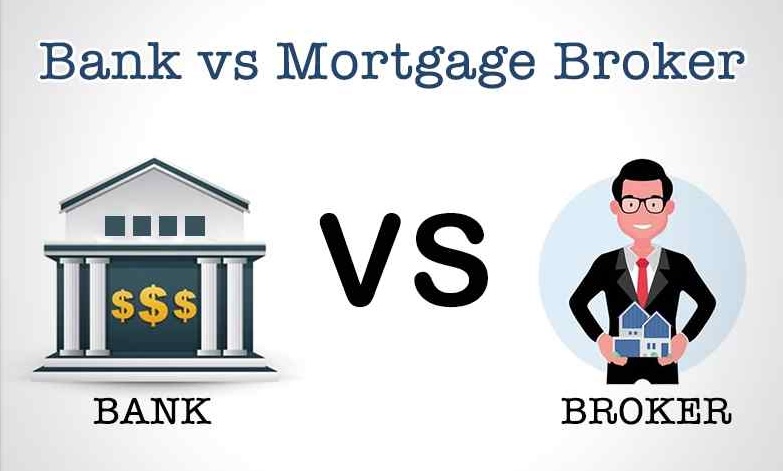
In the whirlwind of purchasing or refinancing a home, timing is everything. A swift mortgage approval can mean the difference between snagging your dream property or watching it slip through your fingers. But in the race towards homeownership, who holds the key to expedited approval? Let’s unravel this mystery by exploring the roles of mortgage brokers and banks and how they stack up in terms of approval times.
Mortgage Brokers: The Matchmakers of Mortgages
Mortgage brokers operate as intermediaries between borrowers and lenders, akin to matchmakers in the world of real estate finance. They possess a deep understanding of the mortgage market landscape and leverage this knowledge to find tailored loan options for borrowers. The allure of working with a mortgage broker lies in their ability to offer a diverse array of choices, catering to individual financial circumstances and preferences. However, it’s important to note that the convenience of their services typically comes with a price tag, as brokers are compensated through commissions or fees.
Banks: The Bedrock of Financial Institutions
On the other hand, banks stand as stalwarts in the realm of finance, wielding vast resources and a formidable infrastructure. When borrowers opt to secure a mortgage directly through a bank, they bypass the intermediary and gain access to a comprehensive suite of banking services. This direct approach can offer a sense of security and familiarity, especially for individuals who already have existing relationships with their bank. However, it’s essential to weigh the benefits against the potential drawbacks, such as limited loan options and less personalized service.
Understanding the Underwriting Process
At the core of the mortgage approval process lies the underwriting phase, where the borrower’s financial profile undergoes rigorous scrutiny. Mortgage brokers are adept at shepherding borrowers through this labyrinthine process, leveraging their expertise to navigate potential hurdles and streamline approvals. Their agility in shopping around for the best loan terms and their ability to match borrowers with suitable lenders can expedite the underwriting process.
Conversely, banks boast a streamlined underwriting process fueled by their institutional might and in-house resources. With direct access to decision-makers and established protocols in place, banks can efficiently assess loan applications and make timely approval decisions. While this approach offers a sense of reliability and consistency, it may lack the personalized touch and flexibility that borrowers seek in their mortgage journey.
Communication and Responsiveness
Clear and consistent communication is paramount throughout the mortgage application process. Mortgage brokers excel in fostering open lines of communication with their clients, providing guidance and reassurance every step of the way. By maintaining transparent communication channels, brokers can address any concerns or questions promptly, ensuring a smooth and efficient approval process.
In contrast, communication dynamics with banks may vary, with some borrowers experiencing challenges in obtaining timely updates on their application status. While banks prioritize efficiency and accuracy in their communications, the sheer volume of applications they handle may lead to delays or lapses in responsiveness. However, proactive borrowers who stay engaged and maintain regular contact with their bank representatives can mitigate potential communication barriers.
Navigating Documentation Requirements: The Paper Trail to Approval
Navigating the labyrinth of documentation requirements is a crucial aspect of the mortgage approval process. Mortgage brokers often offer flexibility in this regard, guiding borrowers through the maze of paperwork and documentation with ease. By streamlining the document submission process and offering personalized assistance, brokers help alleviate the burden on borrowers and expedite the approval timeline.
In contrast, banks adhere to stringent documentation standards, leaving little room for error or oversight. While this approach ensures thoroughness and compliance, it may also prolong the approval process due to the meticulous review of documentation. Borrowers must be prepared to provide comprehensive financial records and supporting documentation to satisfy the bank’s requirements and facilitate a smooth approval process.
Volume of Applications: Navigating Through the Traffic Jam
The volume of applications received by mortgage brokers and banks can significantly impact approval times. Mortgage brokers, with their nimble operations and extensive lender networks, are adept at managing multiple applications simultaneously. By leveraging their industry connections and prioritizing client needs, brokers can navigate through the influx of applications and expedite approvals.
Banks, on the other hand, must contend with a high volume of applications while maintaining efficiency and accuracy in their review process. While banks benefit from established protocols and resources, the sheer volume of applications they handle may lead to delays in processing times. Borrowers should be mindful of potential bottlenecks and proactively communicate with their bank representatives to ensure their application progresses smoothly.
Technology and Automation: The Digital Advantage
In an era defined by technological innovation, both mortgage brokers and banks harness the power of technology to streamline the approval process. Mortgage brokers leverage digital platforms and tools to facilitate document submission, communication, and application tracking. By embracing automation and digitization, brokers enhance efficiency and transparency, offering borrowers a seamless mortgage experience.
Similarly, banks invest in technology-driven solutions to optimize their mortgage operations and improve the borrower experience. From online application portals to automated underwriting systems, banks leverage technology to expedite approvals and enhance customer satisfaction. By embracing digital transformation, banks position themselves as industry leaders in efficiency and innovation, offering borrowers a modernized and streamlined mortgage process.
Tips for Expediting the Mortgage Approval Process
Navigating the mortgage approval process can feel like traversing uncharted territory, but with the right approach, borrowers can streamline the journey towards homeownership. Here are some tips for expediting the mortgage approval process:
- Be Proactive: Take the initiative to gather all necessary financial documents and submit them promptly to your lender or broker.
- Stay Organized: Keep track of important deadlines, documents, and communication with your lender or broker to ensure a smooth and efficient process.
- Communicate Effectively: Maintain open lines of communication with your lender or broker, asking questions and seeking clarification as needed.
- Understand Your Options: Familiarize yourself with the various loan products and terms available to you, and work closely with your lender or broker to find the best fit for your financial needs and goals.
- Be Patient: While you may be eager to move forward with your mortgage application, it’s important to remain patient and trust the process. By following these tips and working closely with your lender or broker, you can expedite the approval process and move one step closer to achieving your homeownership dreams.
Conclusion
In the journey towards homeownership, the choice between working with a mortgage broker or a bank ultimately comes down to personal preference and priorities. Mortgage brokers offer personalized guidance, flexibility, and access to a diverse array of loan options, while banks provide stability, reliability, and streamlined processes. By understanding the strengths and considerations of each option, borrowers can make an informed decision that aligns with their unique needs and goals.
As you embark on your mortgage journey, remember that 1st Eagle Mortgage is here to guide you every step of the way. With our commitment to excellence and personalized service, we strive to make the mortgage process as seamless and efficient as possible for our clients. Whether you choose to partner with a mortgage broker or a bank, we’re here to help you navigate the complexities of the mortgage landscape and achieve your homeownership dreams.
April 27th, 2024 by Herb Levin
No comments yetHow Do Commercial Mortgages Differ from Residential Mortgages?

Mortgages are a common means of financing real estate purchases, but they’re not one-size-fits-all. There are significant differences between commercial mortgages, which are used to finance business properties, and residential mortgages, which are used for homes. Understanding these differences is crucial for both borrowers and lenders.
Purpose and Use
Commercial mortgages are for properties used for business purposes, like office buildings, retail spaces, and warehouses. They’re often sought by investors looking to generate rental income or businesses needing space to operate. Residential mortgages, on the other hand, are for homes where people live. They’re typically sought by individuals or families looking to buy a primary residence or investment property.
Property Types
Commercial properties come in various shapes and sizes, from small storefronts to towering skyscrapers. They can include office buildings, retail centers, industrial complexes, and multi-family apartment buildings. Residential properties, on the other hand, are primarily single-family homes, condominiums, townhouses, and apartment buildings with fewer than five units.
Loan Terms and Structure
Commercial mortgages typically have shorter loan terms and higher interest rates than residential mortgages. They often require larger down payments and may have balloon payments or adjustable interest rates. Residential mortgages, on the other hand, typically have longer loan terms, lower interest rates, and fixed monthly payments.
Interest Rates and Fees
Interest rates for commercial mortgages are influenced by factors like property type, location, borrower creditworthiness, and overall market conditions. Fees associated with commercial mortgages can include origination fees, appraisal fees, and legal fees. Residential mortgage interest rates are influenced by similar factors, but fees tend to be lower and more standardized.
Qualification Requirements
Qualifying for a commercial mortgage can be more complex than qualifying for a residential mortgage. Lenders consider factors like the property’s income potential, the borrower’s credit history, and the strength of the business or investment. Residential mortgage qualification focuses more on the borrower’s personal income, credit score, and debt-to-income ratio.
Risk Assessment
Commercial mortgages are considered higher risk for lenders due to factors like market volatility, tenant turnover, and economic conditions. Lenders carefully assess these risks before approving a commercial loan. Residential mortgages are generally considered lower risk because they’re backed by the borrower’s primary residence, which provides a more stable source of income for repayment.
Repayment and Foreclosure
Commercial mortgage repayment terms can vary widely depending on the loan structure and property type. In the event of default, lenders may pursue foreclosure to recover their investment. Residential mortgage repayment terms are typically more straightforward, with fixed monthly payments over a set period. Foreclosure on a residential property can result in the loss of the borrower’s home.
Conclusion
In conclusion, commercial mortgages and residential mortgages serve different purposes and come with unique terms, requirements, and risks. Understanding these differences is essential for anyone considering borrowing or lending money for real estate investments. Whether you’re a business owner, investor, or homeowner, 1st Eagle Mortgage is here to help you navigate the mortgage process and find the right financing solution for your needs.
April 20th, 2024 by Herb Levin
No comments yet