


Category: Loan Programs
Navigating Purchase Programs: Finding the Right Fit for You

In a world filled with myriad purchase programs, choosing the right one can feel like traversing through a complex maze. Whether you’re eyeing a new home, car, or even a subscription service, the decision-making process demands careful consideration. Each purchase program comes with its unique set of advantages and drawbacks, making it crucial to align your choice with your specific needs and financial situation.
Types of Purchase Programs
Cash Purchase:
Let’s start by exploring the oldest and most straightforward method – cash purchase. Opting to buy outright with cash has its perks, offering immediate ownership and potential cost savings. However, this choice may impact your liquidity, tying up funds that could be used elsewhere. It’s a decision that requires balancing the desire for ownership with the need for financial flexibility.
Financing Options:
For those who prefer not to part with a lump sum upfront, financing options provide an alternative route. Traditional loans, available in fixed-rate and adjustable-rate formats, offer various terms with their own set of pros and cons. On the other hand, lease-to-own arrangements provide a middle ground, allowing for possession with the option to buy later. Each comes with considerations, and understanding them is key to making an informed decision.
Subscription Services:
In recent times, subscription-based purchase models have gained popularity across various industries. From streaming services to car subscriptions, this model offers the convenience of usage without the long-term commitment. However, it’s essential to weigh the cost-effectiveness against the convenience, ensuring it aligns with your lifestyle and budget.
Assessing Personal Financial Situation
Budgeting:
Before delving into the options, assessing your budget is paramount. Determine what you can comfortably afford, taking into account your current financial health. Understanding your spending patterns and identifying areas for potential savings will provide a clearer picture of your financial capabilities.
Credit Score:
Your credit score plays a pivotal role in securing favorable financing terms. Regularly checking your credit report and taking steps to improve your score, such as paying bills on time and reducing outstanding debts, can open doors to better interest rates and repayment options.
Understanding Terms and Conditions
Interest Rates:
When considering financing, the interest rate is a critical factor influencing the overall cost. Securing lower rates can lead to substantial savings over the life of a loan. Researching and comparing rates from different lenders is essential to find the most favorable terms.
Repayment Period:
Choosing between short-term and long-term repayment periods involves understanding the implications on your monthly budget and long-term financial goals. While a shorter period might mean higher monthly payments, it could lead to lower overall interest payments.
Researching Purchase Programs
Comparison Tools and Websites:
In the age of technology, numerous online tools and websites can aid in comparing purchase programs. Utilize these resources to understand the terms, conditions, and reviews associated with different options.
Seeking Professional Advice:
Beyond online resources, seeking advice from financial advisors can provide valuable insights. Professionals can analyze your specific situation and guide you toward the most suitable purchase program, considering your goals and financial standing.
Tailoring Purchase Programs to Specific Needs
Considering Individual Goals:
Everyone’s financial journey is unique, and purchase programs should align with individual goals. Whether it’s a short-term objective like buying a home or a long-term plan for financial stability, tailor your choice to fit seamlessly into your aspirations.
Customizing Terms:
Don’t hesitate to negotiate terms with lenders or sellers. Many purchase programs offer room for customization, allowing you to tweak terms to better suit your needs. Subscription services, too, often have flexible plans that can be adjusted based on your usage patterns.
Conclusion
As we navigate the diverse landscape of purchase programs, it’s clear that there is no one-size-fits-all solution. The key is to approach the decision-making process with a thorough understanding of your personal financial situation, goals, and the terms and conditions associated with each option. Informed decision-making is the cornerstone of financial success.
In this journey, 1st Eagle Mortgage stands as a guiding partner, offering expertise and support in finding the right financing solution tailored to your needs. Remember, the path to your dream purchase begins with a well-informed decision. Choose wisely, and let your financial goals soar with confidence.
January 10th, 2024 by Herb Levin
No comments yetHow to Secure a Mortgage Loan if Self-Employed
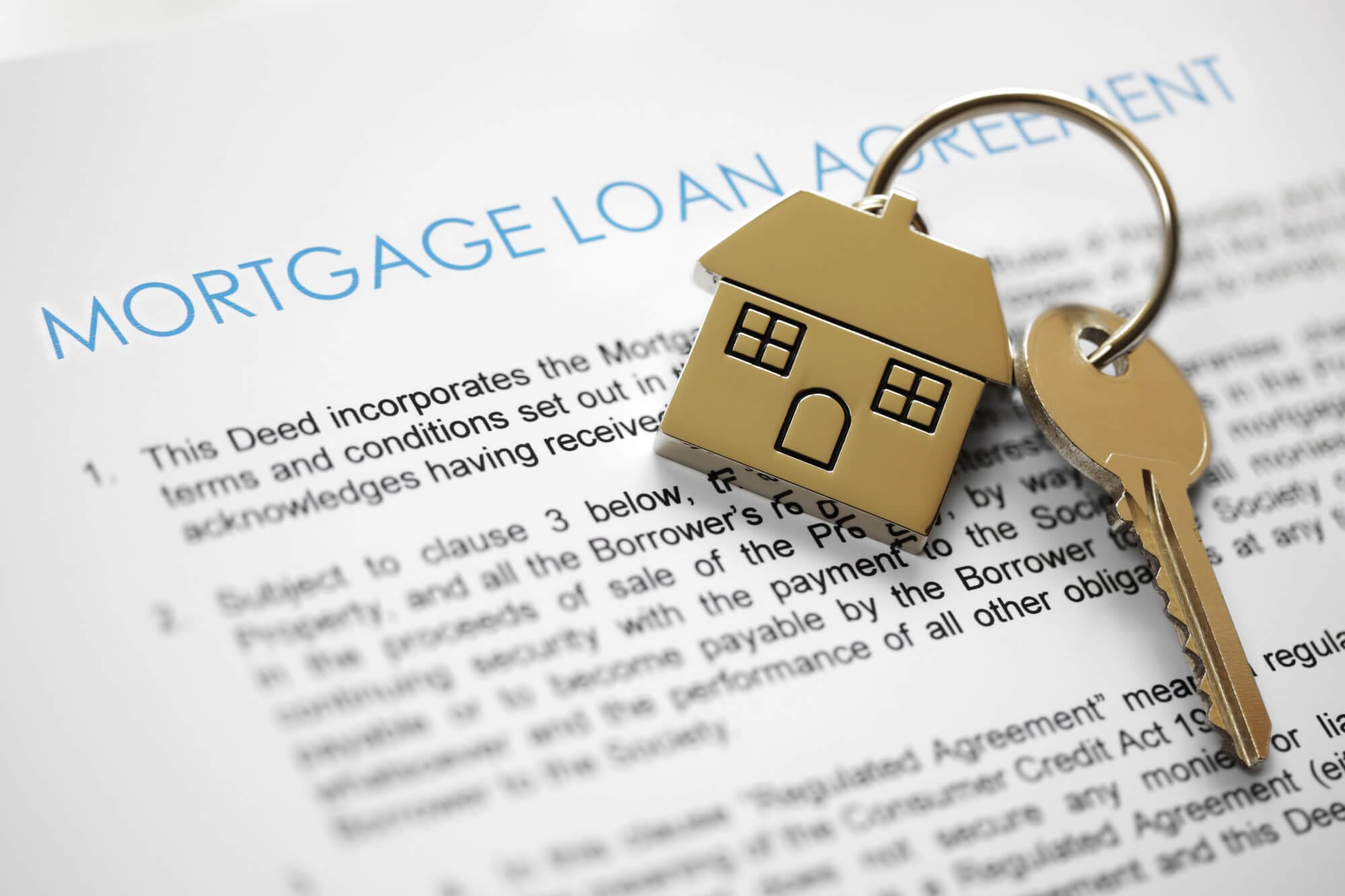
In the progressing landscape of the modern-day labor force, self-employment has ended up being a widespread option for many. Nonetheless, for those browsing the desire for homeownership, the course can be filled with unique difficulties. This thorough overview is designed to brighten the means for independent people seeking mortgage loans, clarifying the complexities of the process and offering useful approaches to get over obstacles.
Understanding the Difficulties
One of the distinct difficulties self-employed individuals face is the irregularity of earnings. Unlike their typically utilized counterparts, the uneven nature of self-employment earnings can pose hurdles in safeguarding mortgages. Furthermore, the paperwork requirements are more strenuous, demanding a thorough discussion of tax returns and a demonstration of a constant income stream.
Types of Mortgage for Freelance People
When considering home mortgage choices, self-employed people can explore traditional mortgage loans. Nevertheless, the roadway to the authorization may need additional effort, consisting of showcasing a steady service and giving transparent economic records. FHA financings, made to make homeownership accessible, also exist feasible alternatives with customized qualification standards for the independent.
Building a Strong Financial Account
For freelance consumers, keeping organized monetary documents belongs to crafting an engaging story for lenders. Demonstrating a constant earnings stream is pivotal, stressing the importance of company security and the capability to pay off the car loan. Aggressive economic management, consisting of precise bookkeeping and monetary preparation, becomes vital in providing a strong case to lending institutions.
Collaborating With Lenders Focusing On Self-Employed Consumers
Choosing the ideal lending institution is an important decision in the home mortgage trip. Lenders with knowledge in working with self-employed people recognize the nuances of this economic landscape. It is vital to seek out lending institutions that value the special difficulties encountered by freelance customers and supply tailored options that straighten with their details demands.
The Function of Credit Scores
Credit rating play a pivotal role in home mortgage eligibility, and freelance people are no exception. Recognizing the impact of credit reports on the application procedure is important. To enhance qualification, freelance borrowers can take proactive steps to enhance their credit history, guaranteeing an extra positive result in their mortgage search.
Deposit Strategies for Self-Employed Consumers
Browsing the down payment procedure includes exploring standard choices and thinking about innovative funding services. While conventional deposits are widespread, self-employed individuals can check out alternate methods, consisting of government-backed programs with varying deposit demands. Strategic planning in this field can considerably impact the general price of homeownership.
Tax Obligation Deductions and Home Mortgage Authorization
Independent individuals have the advantage of leveraging tax obligation reductions to boost their certifying revenue for home loan objectives. Nonetheless, stabilizing business expenses comes to be a delicate act. Understanding the details of just how tax reductions influence mortgage authorization is important, as it supplies an avenue for optimizing income tax returns to straighten with mortgage eligibility needs.
Obtaining Pre-Approved for a Mortgage
The pre-approval process stands as a crucial action in the homebuying trip. Past a plain procedure, pre-approval enhances bargaining power and offers a more clear understanding of one’s spending plan. Self-employed people can improve this procedure by guaranteeing they have all the necessary documentation in order, facilitating a smoother path to homeownership.
Getting Rid Of Common Obstacles
Throughout the mortgage application journey, independent individuals may run into common barriers, such as work background gaps or irregular income patterns. Transparently dealing with these concerns and supplying descriptions for variations in business income can reinforce the consumer’s situation and reduce concerns for lenders.
Final thought
As self-employed people embark on the trip to homeownership, tactical preparation and proactive measures become their compass. This overview, crafted with the ins and outs of self-employment in mind, urges those imagining a home to browse the course with self-confidence. The combination of monetary acumen, precise documentation, and a customized technique for the mortgage process can lead the way for a successful homeownership journey.
In the world of home mortgage options, 1st Eagle Mortgage stands as a directing force for freelance individuals looking for to satisfy their homeownership dreams. With a dedication to comprehending the unique challenges dealt with by freelance consumers, 1st Eagle Home loan offers customized services, supplying a bridge to a brighter and extra-safe economic future.
December 14th, 2023 by Herb Levin
No comments yetExploring Fresh Start Loans: Options for Credit-Challenged Buyers

In the detailed dancing of individual money, several find themselves knotted in the internet of debt challenges. Late repayments, towering bank card balances, or the haunting darkness of bankruptcy can cast gloom over financial chances. Nevertheless, in the realm of monetary regeneration, new Beginning Loans emerge as beacons of hope, providing a pathway for those with bruised credit reports to recover their economic standing.
Comprehending Credit Scores Challenges
Navigating the maze of credit rating challenges calls for an eager understanding of the variables that contribute to the dilemma. Late repayments, akin to errors in a monetary ballet, can mar one’s credit score. On the other hand, high charge card balances end up being a troublesome weight, pulling the credit score down. The spectres of personal bankruptcy and foreclosure, haunting as they are, cast lengthy darkness on one’s monetary history.
What are Fresh Start Loans?
New Beginning Loans, like the phoenix Az climbing from the ashes, represent a possibility for a renewed economic beginning. These finances differ from traditional ones, offering tailored solutions for those whose credit reports may have taken a hit. The identifying attributes of these car loans depend on their versatility and understanding of the distinct challenges dealt with by credit-challenged buyers.
Kinds Of Fresh Start Loans
Within the world of Fresh Start Loans, differences arise between protected and unsecured alternatives. Protected loans, similar to an economic safety net, call for collateral to alleviate the threats for lenders. On the other hand, unsafe funding, while it does not have collateral, often needs more stringent qualification standards. Personal instalment car loans, with their structured repayment plans, and specialized Clean slate Vehicle Loans, acknowledging the crucial role of transport in credit score recovery, give diverse methods for those seeking a fresh financial beginning.
Checking Out Lenders and Financial Institutions
Embarking on the trip of safeguarding a Fresh Start Lending includes browsing a landscape of banks. Conventional financial institutions, pillars of economic stability, extend their reach to offer Clean slate Loans. Cooperative credit unions, with their community-oriented strategy, play a crucial role in giving monetary services. Online loan providers, embracing the electronic era, deal availability and benefit in the mission for economic rejuvenation.
Steps to Get Approved For New Beginning Loans
Receiving a Clean slate Funding calls for a strategic method. Elevating credit scores, akin to tuning a tool for a symphony, comes to be a critical action. Documents demands, and the sheet music of economic deals, should be carefully arranged. Showing economic security, a unified blend of earnings and expenses comes to be the tune that lenders pay attention to.
Risks and Factors to Consider
In the journey towards monetary redemption, it is vital to browse the prospective pitfalls associated with Fresh Start Loans. Greater rates of interest, the tollgate on the road to credit history recovery, should be gone across with care. The effect on credit reports, though short-term, requires a nuanced understanding. Accountable borrowing, the guiding concept, makes sure that the advantages outweigh the risks.
Success Stories
In the middle of the challenges, success stories become beacons of motivation. Real-life examples of individuals who have effectively used clean Slate Loans showcase the transformative power of financial strength. Lessons learned, comparable to the notes in a melody, reverberate with the wisdom obtained through conquering adversity.
Alternatives to Fresh Start Loans
In the symphony of monetary recovery, Clean slate Loans are however one tool. Credit therapy and financial education come to be the conductor, directing individuals towards informed decisions. Protected bank card, the musicians in this monetary set, contribute their distinct notes to the melody. Peer-to-peer borrowing systems, the set cast, offer a collective strategy for financial recovery.
Verdict
In the grand ending of this monetary legend, the relevance of New Beginning Loans resonates. Support mirrors for credit-challenged buyers to explore the myriad alternatives readily available. Rebuilding debt and achieving economic security, just like making up a symphony, needs patience, strength, and a harmonious mix of economic tools.
In the middle of the diverse landscape of lending institutions, 1st Eagle Mortgage stands as a guiding force in the journey in the direction of financial revival. With a dedication to recognizing the distinct needs of credit-challenged customers, 1st Eagle Mortgage loan uses tailored options, paving the way for a brighter financial future.
December 2nd, 2023 by Herb Levin
No comments yetCommercial Mortgages: What Businesses Need to Know

In the intricate world of organization financing, commercial mortgages stand out as a considerable device for business seeking security and growth. Unlike their household counterparts, industrial home loans are tailored to meet the unique requirements of companies looking to acquire or refinance residential properties. In this post, we will delve into the subtleties of industrial home mortgages, shedding light on what companies require to recognize to make educated decisions.
What is an Industrial Mortgage?
Commercial mortgages serve as financial instruments that empower services to acquire or create property for functional functions. Unlike household mortgages, which deal with personal real estate requirements, business home loans are strategically developed to suit the diverse demands of services, varying from office to manufacturing facilities.
Secret to their nature is the fact that they are not one-size-fits-all. Rather, industrial home mortgages can be found in numerous forms, each tailored to the distinct demands of various businesses. These can include conventional mortgages, Small Business Administration (SBA) financings, and Commercial Mortgage-Backed Safety And Securities (CMBS) car loans.
Qualification and Qualification Requirements
Credit reliability
Prior to diving into the application process, companies have to evaluate their creditworthiness. Lenders inspect both organization and personal credit report. While a durable organization credit report is crucial, personal assurances typically play a role in protecting beneficial terms.
Financial Security
Showing economic stability is a critical facet of safeguarding a business home mortgage. Lenders evaluate the wellness of a company with in-depth exams of economic statements, guaranteeing that the debt-service insurance coverage ratio (DSCR) straightens with their risk resistance.
Loan-to-Value Ratio (LTV).
Comprehending the Loan-to-Value Ratio (LTV) is vital. This ratio, revealing the connection between the car loan amount and the residential property’s value, heavily influences finance approval. Factors such as the property’s place, condition, and planned use can considerably affect the LTV.
Picking the Right Lender
Selecting the best lending institution is an essential decision. Organizations need to consider the benefits and drawbacks of standard financial institutions versus non-bank lenders, considering elements such as flexibility, refining times, and the likelihood of approval. In recent years, on the internet lending platforms have likewise emerged as viable options, simplifying the application process.
Documentation Needs
The application procedure includes careful documentation. A detailed organization strategy, up-to-date financial statements, and detailed building details are among the papers lenders generally call for. Thorough prep work in this phase significantly quickens the approval procedure.
Timelines and Authorization Process
Recognizing the timelines and prospective difficulties in the approval process is essential. Usually, the handling time differs, and typical difficulties may consist of insufficient documentation or unpredicted residential or commercial property concerns. Businesses need to anticipate these obstacles and prepare appropriately.

Rates Of Interest and Terms
Fixed vs. Variable Rates
Rates of interest play a pivotal duty in the overall expense of an industrial home mortgage. Businesses have to meticulously consider the pros and cons of fixed versus variable prices. While fixed rates offer stability, variable prices can supply preliminary cost advantages however may fluctuate with market conditions.
Finance Terms
Selecting in between temporary and long-term mortgages is a decision with lasting effects. Furthermore, companies ought to recognize balloon repayments, where a significant part of the major becomes due at a details point in the lending term.
Sorts of Collateral
Collateral is a fundamental part of commercial home mortgages. Real estate usually functions as the main form of collateral, however relying on business type, lending institutions may additionally consider devices and inventory.
Dangers Related To Industrial Mortgages
Mitigating threats is an essential part of the decision-making procedure. Market dangers, affected by economic variations, and default risks, linked to the business’s monetary stability, have to be extensively evaluated. Businesses should have contingency plans in position to resolve unforeseen difficulties.
Legal and Governing Considerations
Browsing the lawful landscape is crucial when taking care of business home mortgages. Zoning laws, ecological influence evaluations, and extensive legal documentation are essential elements. Services must involve attorneys to ensure compliance and mitigate legal dangers.
Developing a Sustainable Repayment Plan
Crafting a sustainable payment strategy is a positive strategy to long-lasting monetary health and wellness. Reliable capital administration and routine financial check-ins are crucial parts of a successful repayment method.
Conclusion
To conclude, commercial home loans are powerful financial tools that can thrust services in the direction of growth and stability. Recognizing the intricacies of the application procedure, qualification criteria, and danger reduction approaches is essential for making informed choices. As businesses embark on this monetary trip, the importance of thorough research, critical preparation, and versatility can not be overemphasized. For services seeking personalized advice and assistance in navigating the world of commercial home mortgages, trusted lenders like 1st Eagle Mortgage offer knowledge and customized services.
November 14th, 2023 by Herb Levin
No comments yetUnderstanding Home Mortgage Insurance: What You Need to Know

Buying a home is an important life milestone, but it frequently requires an enormous financial investment. Home Mortgage Insurance (HMI) becomes useful in this situation. It’s a protection that gives purchasers and lenders a safety net. We’ll explore the nuances of HMI in this post, including its varieties, uses, and effects on your house-buying experience.
The Basics of Home Mortgage Insurance
Often referred to as HMI, home mortgage insurance is a type of financial instrument used to shield lenders from potential defaults by borrowers. It’s important to keep in mind that HMI is available in a variety of formats to meet the demands of individual borrowers. These include mortgage insurance offered by the Department of Veterans Affairs (VA), the Federal Housing Administration (FHA), and private mortgage insurance (PMI).
Understanding the Types
The most common type of HMI is Private Mortgage Insurance (PMI). For traditional loans with a down payment of less than 20%, it is usually necessary. Lenders benefit from PMI’s safety net, which guarantees they will get their money back even in the event of a borrower failure.
Mortgage insurance from the Federal Housing Administration (FHA) is intended especially for borrowers who may not have the highest credit ratings or cannot afford to make sizable down payments. The qualifying requirements for FHA loans are more relaxed and therefore are those of its insurance.
Mortgage insurance from the Department of Veterans Affairs (VA) is a special program available to qualified veterans, active-duty military personnel, and select National Guard and Reserve members. VA loans often provide better terms and don’t demand a down payment.

How Home Mortgage Insurance Works
The basic idea behind how HMI works is that it pays some of the lender’s losses in the event that the borrower fails. The kind of insurance and the particulars of the policy determine the coverage amount. The amount of the down payment, the kind of loan, and the credit score are some of the variables that affect premiums or the cost of HMI.
For example, the premium for PMI might be paid as an upfront payment, on a monthly basis, or annually. It’s crucial to remember that PMI costs go down when a borrower’s home equity rises, which frequently opens up options to lower or cancel the insurance.
Choosing the Right Mortgage Insurance
Choosing the right HMI is dependent on a number of individual borrower-specific criteria. Long-term financial objectives, credit score, and down payment amount are all crucial. PMI could be the best deal for people who can afford a sizable down payment. In contrast, those with less money up front could find FHA or VA loans more enticing.
Strategies for Managing Home Mortgage Insurance
Effectively handling HMI is essential for borrowers who want to get the best possible financial circumstances. One strategy is to aim for an LTV ratio of 80% or below, since this frequently enables borrowers to ask for the removal of PMI.
Cancelling Home Mortgage Insurance
Many borrowers have the option to cancel their HMI, although the procedure differs based on the kind of insurance. An LTV of 78% is often the point at which PMI automatically cancels. However, when they complete a legal process and attain an LTV of 80%, debtors can seek cancelation.
Conclusion
Comprehending property Mortgage Insurance is crucial while purchasing a property. It gives lenders and purchasers peace of mind at an important turning point in their lives by serving as a financial safety net. Understanding the ins and outs of any insurance, whether it PMI, FHA, or VA, enables borrowers to make well-informed selections.
Consult 1st Eagle Mortgage for specialized guidance and customized mortgage options. They have years of expertise in the field and are committed to assisting people in realizing their aspirations of becoming homeowners. As always, information is power, and your biggest advantage when it comes to HMI is being knowledgeable. Happy purchasing. For more details email us today: homeloans@1steaglemortgage.com
November 4th, 2023 by Herb Levin
No comments yetChoosing the Right Home Mortgage Lender: Tips for Homebuyers

Starting the journey of homeownership is a substantial milestone, and one crucial element that can make or damage this experience is choosing the best home mortgage lender. The choice might seem complicated, but equipped with the right expertise, you can make an educated option that aligns with your monetary objectives. In this guide, we’ll look into the intricacies of selecting a home mortgage lender and explore pointers to assist you in navigating this important decision-making procedure.
Recognizing Your Monetary Situation
Prior to diving right into the sea of home loan providers, analyze your financial situation. Begin by assessing your credit report, a three-digit number that plays a critical role in identifying your mortgage rate of interest. An excellent credit rating not only opens doors to positive prices but likewise reflects favourably on your monetary health. At the same time, review your budget plan and long-lasting monetary objectives to make certain that homeownership is a lasting and sensible undertaking.
Kinds Of Home Loan Lenders
Home mortgage lending is not a one-size-fits-all domain name, and recognizing the numerous sorts of lending institutions is essential. Traditional financial institutions, credit unions, home loan brokers, and online loan providers each have their benefits and drawbacks. Typical financial institutions provide stability, cooperative credit unions supply a feeling of community, mortgage brokers supply varied choices, and online loan providers bring ease. Consider your choices and needs to figure out which kind lines up ideally with your homebuying journey.
Looking Into Home Loan Lenders
The value of extensive study can not be overemphasized when it concerns choosing a home loan lending institution. Seek suggestions from loved ones who have actually strolled the course of homeownership. Furthermore, scour the internet testimonials and endorsements to obtain insights right into the experiences of others. Scrutinize qualifications, guaranteeing that the lender is certified and certified. Watch out for any kind of warnings or regular unfavourable evaluations that might hint at possible issues.
Contrasting Lending Deals
Understanding the subtleties of different mortgage types is critical when comparing financing deals. Fixed-rate home loans provide stability with consistent month-to-month repayments, while variable-rate mortgages give flexibility but come with possible fluctuations in the rate of interest. Contrast rates of interest, lending terms, and problems to recognize the offer that best suits your economic objectives. Don’t forget to examine charges and shutting prices, as these can substantially influence the general expense of your home mortgage.
Pre-Approval Process
Protecting pre-approval is a game-changer in the homebuying process. It not only improves your journey but also reinforces your negotiating setting with vendors. To initiate this process, collect the required documents, consisting of proof of earnings and work background. Pre-approval collections the stage for a smoother and much more efficient homebuying experience.

Communication and Customer Support
Efficient communication is the foundation of a favourable borrowing experience. Evaluate the loan provider’s responsiveness to queries and their schedule for conferences and updates. A lender with clear communication channels can assist in relieving the tension connected with the home loan application procedure. Just as vital is examining customer support quality via testimonials, testimonials, and personal interactions throughout the application process.
Flexibility and Problem Resolution
Life is unforeseeable, and monetary difficulties might arise unexpectedly. Evaluate the lender’s adaptability by checking out options for refinancing and recognizing just how they deal with unforeseen situations. Check into their problem-resolution mechanisms, making sure that customer assistance is receptive and that there are clear escalation treatments for dispute resolution.
Conclusion
Choosing the ideal home mortgage lender is a vital step in your journey toward homeownership. By understanding your monetary situation, looking into lending institutions, comparing car loan deals, and taking into consideration variables like communication and versatility, you can make an informed decision that lines up with your goals. As you embark on this exciting journey, bear in mind that 1st Eagle Mortgage is here to assist you with the ins and outs of mortgage lending, making sure a smooth and successful homebuying experience.
November 2nd, 2023 by Herb Levin
No comments yetDemystifying the Mortgage Broker Process: A Step-by-Step Guide

Purchasing a house is a big life achievement for everyone. It’s a voyage filled with anticipation, aspirations, and, naturally, budgetary concerns. Getting a mortgage is an essential part of this process, which sometimes seems like navigating a complicated maze of lenders, rates, and paperwork. A mortgage broker can help by providing guidance throughout the process at this point.
Understanding the Role of a Mortgage Broker
A mortgage broker acts as a go-between for potential homeowners and lending institutions in the field of real estate finance. Their main objective is to connect customers with the best loan alternatives accessible. They are independent specialists with experience in mortgage products and lenders. Mortgage brokers provide borrowers more options since they have access to a large network of financial institutions, unlike banks or direct lenders.
Why Pick an Agent for Mortgages? The unmatched advantages they provide hold the key to the solution. Brokers contribute their market expertise, negotiating prowess, and access to a wide range of credit options. Together, these enable consumers to find the best mortgage terms for their particular financial circumstances and make well-informed selections.
Setting Up an Appointment: Your First Step Towards Homeownership
The first, and most important, step in the process is to make an appointment for a preliminary meeting with a mortgage broker. The basis of the whole procedure is laid at this meeting, when you’ll build a connection and disclose crucial details about your financial condition. It’s critical to have all required paperwork ready, such as income statements, credit reports, and any other pertinent financial data.
The mortgage broker will take the time to learn about your unique needs and objectives throughout the meeting. They will go over things like your ideal loan size, preferable conditions for repayment, and any unique situations that can affect your mortgage possibilities. This candid discussion paves the way for a customized strategy that supports your financial goals.
What to Expect During the Consultation
The first meeting is a cooperative endeavor. In addition to evaluating your financial situation, your mortgage broker will enlighten you about the many types of mortgage products that are available, their corresponding interest rates, and possible payback plans. This is your chance to get clarity, ask questions, and learn more about the mortgage industry.
After the session, you ought should have a good idea of what to anticipate going forward. Regardless of your level of experience as a property investor, this initial step establishes the foundation for a fruitful collaboration with your mortgage broker. You will set out on a joint venture to obtain the best mortgage for your perfect residence.

Mortgage Pre-Qualification vs. Pre-Approval: Navigating the Preliminary Stages
Making the right distinction between pre-qualification and pre-approval is crucial to securing a mortgage. Your home-buying experience might be greatly impacted by your understanding of their subtleties.
Deciphering Pre-Qualification
Your mortgage broker will perform a preliminary evaluation of your financial situation to determine your pre-qualification. It’s a first step that gives you an approximate idea of how much mortgage you may be eligible for. This procedure usually entails a basic assessment of your assets, obligations, and income. Pre-qualification is based on self-reported data, thus it’s vital to understand that it has less weight than an official loan approval.
Pre-qualification is a good place to start, but it’s important to treat it more as a broad guideline than a hard number. It helps you focus your home search by giving you a broad idea of your financial range. But bear in mind that a more complete review conducted during the pre-approval stage may result in a different final authorized loan amount.
The Power of Pre-Approval
On the other hand, pre-approval involves a more thorough and extensive assessment of your financial circumstances. It entails providing extensive supporting paperwork, such as credit reports, income statements, and tax records. Lenders may conduct a comprehensive study thanks to this stringent procedure, which yields an exact loan amount that you qualify for.
The assurance that pre-approval gives you and potential sellers is one of its main benefits. Possessing a pre-approval letter, you prove to sellers that you are a sincere and competent purchaser. In a crowded real estate market, this might offer you a competitive advantage.
The Significance of Pre-Approval in the Home Buying Process
In the ever-changing real estate market, possessing a pre-approval may be quite beneficial. It increases your negotiation power by streamlining the property search process and establishing you as a qualified buyer. Because a lot of the foundation has already been established, it also makes for a speedier and more seamless transaction.
Pre-qualification and pre-approval are crucial steps in the mortgage process, and we at 1st Eagle Mortgage recognize this. Our skilled group of mortgage brokers is committed to helping you navigate these phases so you’re ready to make wise choices. For more details contact directly to: homeloans@1steaglemortgage.com
October 19th, 2023 by Herb Levin
No comments yetFive Key Steps for First-Time Home Buyers When Interest Rates Are High

As a first-time homebuyer, navigating the housing market can be daunting, especially when interest rates are high. When interest rates are high, borrowing money to purchase a home is more expensive than in a low-interest rate market. However, don’t let high-interest rates deter you from becoming a homeowner. By following these five fundamental steps, you can still achieve your dream of homeownership in a high-interest rate market.
Assess Your Finances
Before starting your home search, it is crucial to assess your finances and determine a realistic budget for a home purchase. High-interest rates mean that mortgage payments will be more expensive, so it is essential to consider this when evaluating your financial situation.
First, calculate your monthly income and expenses to determine your debt-to-income ratio (DTI). The proportion of your monthly payment used to pay debts, such as rent, a car loan, credit card bills, and other obligations, is your DTI. Ideally, your DTI should be below 43%, the maximum DTI allowed for most conventional loans.
Next, factor in your down payment and closing costs when determining your budget. Having at least a 20% down payment is recommended to avoid private mortgage insurance (PMI), an additional expense. Closing costs can range from 2% to 5% of the home’s purchase price, so it is crucial to factor this into your budget as well.
Shop Around for Mortgages
Due to the high-interest rates, even a tiny change in the interest rate can significantly impact your monthly payments throughout your debt. High-interest rates mean that even a slight difference in interest rates can significantly affect your monthly payments over the life of your loan.
Analyze the interest rates and credit conditions offered by various lenders to start. Seek lenders that provide affordable interest rates, minimal fees, and flexible lending terms. When comparing loans, it is essential to consider both fixed-rate and adjustable-rate mortgages (ARMs). Fixed-rate mortgages offer predictable payments over the life of the loan, while ARMs offer lower initial rates but can increase over time.
Once you have identified a lender and loan that meets your needs, getting pre-approved for a mortgage is essential. Pre-approval will estimate how much you can borrow and help you stand out from sellers when making an offer. 1st Eagle Mortgage can pre-approve you in less than one hour. Call 847-441-4116 or go to www.1steaglemortgage.com

Consider Other Costs
In addition to mortgage payments, there are other costs associated with buying a home that you should consider. Property taxes and home insurance are ongoing expenses affecting your monthly budget. Closing costs can include appraisal fees, title insurance, and attorney fees and can add up quickly.
When evaluating homes, it is crucial to consider these additional costs and factor them into your budget. Look for homes that are within your budget and have manageable ongoing expenses.
Be Prepared to Negotiate
In a high-interest rate market, it is vital to be prepared to negotiate with both sellers and lenders. Negotiating with sellers can help you get the best possible deal on a home. Consider factors such as the home’s condition, the time it has been on the market, and the seller’s motivation when making an offer.
Negotiating with lenders can also help you save money on your mortgage. Ask about discounts or incentives available, and consider negotiating your interest rate or loan terms. 1st Eagle Mortgage can do this for you.

Be Patient and Flexible
One needs perseverance and flexibility to negotiate a market with high-interest rates successfully. Take time and relax when looking for a home because high-interest rates can restrict your choices and make it more difficult. To locate a home that fits your budget, be prepared to forego some features or locations.
To help you navigate the market and find homes that meet your needs, think about employing a real estate agent. Be persistent and patient in your quest because it might take longer in a market with lots of interest to find the ideal location.
Additionally, it would help if you exercised flexibility when making financial choices. Think about alternate financing choices, like FHA or VA loans, which have less stringent credit standards or options for down payments. With the assistance of these choices, you can fulfill your desire to own a home while staying within your financial means.
Conclusion
In a market with high-interest rates, you need to be more patient, adaptable, and diligent when buying a house. To discover the ideal home for you and your budget, keep in mind to work with dependable professionals, such as real estate agents and lenders, and take your time. By analyzing your finances, looking around for mortgages, taking other costs into account, being ready to haggle, and being patient and adaptable, you can still realize your goal of becoming a homeowner.
No comments yetFive Benefits of Using a Mortgage Broker Versus a Bank

One of the most important investments you’ll make in your career is purchasing a home. In particular, when financing your purchase, it can be a stressful and overwhelming procedure despite being an exciting one. Knowing which path to follow can be difficult with so many options available. Is a mortgage broker a superior option than a bank for you to use? In this article, we’ll explore five benefits of using a mortgage broker versus a bank so that you can make an informed decision.
1: Access to a wider range of lenders
Access to a larger selection of lenders is one of the main advantages of working with a mortgage advisor. When working with a bank, your options are constrained to the mortgage goods they offer. A broker, on the other hand, has access to numerous lenders, providing you access to a wider selection of mortgage products, including those that your bank might not offer. This implies that you can locate a mortgage with conditions, interest rates, and payment plans that are better suited to your requirements.
Brokers can also collaborate with lenders who specialize in particular circumstances, like those involving self-employed borrowers or those with lower credit ratings. For those who don’t fit the typical lending requirements, a mortgage broker is a great choice because these lenders might not be accessible through conventional banks.
2: Ability to find the best mortgage rates
Finding the finest mortgage rates is yet another important benefit of using a mortgage broker. In order to discover the best mortgage rates, a broker can compare mortgage rates from various lenders. As opposed to a bank, where you are constrained to the prices that the bank offers. Brokers can often negotiate with lenders on your behalf to secure more favorable terms, which can result in significant savings over the life of your mortgage.
It’s important to note that brokers work on commission and may receive compensation from the lender for the mortgage product you choose. However, reputable brokers will disclose this information upfront and prioritize finding the best mortgage product for your needs.

3: Expertise in mortgage products and options
Since mortgage brokers only work with mortgages, they have a wealth of knowledge and experience with mortgage choices and products. You can get assistance from brokers in navigating the complicated world of mortgages, which includes various mortgage types, payment choices, and interest rates. They can also assist you in comprehending the benefits and drawbacks of each mortgage product, allowing you to make an educated choice that is appropriate for your financial situation.
The expertise of bank employees may be restricted to the products the bank offers, as they are not always experts in mortgages. This may lead to a constrained set of choices and possibly unfavorable terms. Most bank employees are registered, not licensed. Brokers are required to take continuing education classes every year to keep up with changes and maintain their licenses.
4: Personalized service and attention
Mortgage brokers work one-on-one with clients, providing personalized service and attention you may not receive at a bank. They take the time to understand your financial situation and specific needs, enabling them to find the best mortgage product for you. They can answer your questions and address your concerns, providing peace of mind throughout the mortgage process.
Banks, on the other hand, frequently take a less personalized strategy, though you might get special treatment. Completing transactions may take precedence over offering a customized experience for bank employees because they frequently have quotas to fulfill.

5: Assistance with the entire mortgage process
Mortgage brokers can help you through every step of the mortgage process, from pre-approval to closing. They can help you gather the necessary documents, submit your application, and communicate with the lender on your behalf. In order to make sure you are well informed and confident in your choice, they can also help you comprehend the terms of your mortgage, including fees, interest rates, and payment schedules.
Brokers can also aid you in overcoming any difficulties that arise during the mortgage application process, such as problems proving your salary or problems with your credit score. They can assist you in overcoming challenges and collaborating to find answers, making the procedure as easy and stress-free as is practical.
When dealing with a bank, however, you might be forced to handle the mortgage application procedure by yourself. Although bank employees can help, they might need to be prepared to handle unusual circumstances or challenges that might emerge.
Conclusion
While banks can offer mortgage products, working with a broker provides several distinct advantages. Brokers have access to a broader range of lenders and can find the best mortgage rates for your situation. They offer individualized service and attention, are knowledgeable about mortgage options and products, and support clients throughout the mortgage procedure. Time and money can be saved significantly with these benefits, and the mortgage application procedure will be more pleasant overall.
Prior to choosing a mortgage broker, it is essential to perform research and pick a reputable, reliable candidate. Pick real estate agents who have a good name and a successful track record. Don’t be afraid to ask questions, and make sure the dealer you choose makes you feel comfortable. With the aid of the top mortgage broker, you can find the perfect mortgage product and fulfill your goal of becoming a homeowner.
No comments yetPros and Cons of Using Home Equity Loans to Pay Off Credit Card Debt

Some individuals think about using a home equity loan to pay off their credit card debt. You can borrow money using the equity in your home with a home equity loan, which typically has better conditions for repayment than credit cards and lower interest rates. However, there are advantages and disadvantages to using a home equity loan to pay off credit card debt, so it’s important to carefully weigh them before making a choice.
Pros of using a home equity loan to pay off credit card debt
Lower interest rates than credit cards
The fact that home equity loans frequently have lower interest rates than credit cards is one of the biggest benefits of using one to pay off credit card debt. Home equity loan interest rates are usually much lower, often between 7% and 9%, while credit card interest rates can range from 15% to over 25%. Over the course of the debt, you could save a lot of money on interest fees by doing.
Potentially lower monthly payments
Home equity loans can result in lower monthly expenses than credit cards, in addition to having lower interest rates. This is due to the fact that home equity loans frequently have longer repayment terms (5 to 30 years), whereas credit card repayment terms are generally 3 to 5 years. Longer repayment periods can reduce your monthly payments while increasing your total interest costs over time.
Possibility of tax benefits
Your home equity loan interest may occasionally be tax-exempt. This, however, only holds true if you use the loan to renovate or enhance your house. The interest on the loan might not be tax-exempt if you use it to pay off credit card debt. A tax expert should be consulted in order to fully comprehend your tax position and any available deductions.

Cons of using a home equity loan to pay off credit card debt
Risk of losing your home if you can’t repay the loan
Possibility of losing your house if you can’t make the loan payments Your home is at danger if you use a home equity loan to pay off credit card debt, which is possibly the biggest risk. The lender has the right to foreclose on your house and seize it if you are unable to pay back the loan. Before taking out a home equity loan, it is essential to make sure you can handle the loan payments.
Potential fees and closing costs
Possible charges and closure expenses Home equity loans, like all loans, may have fees and closing charges like application, appraisal, and origination fees. The money you’ll save by using a home equity loan to pay off credit card debt can be rapidly deducted by these expenses. Make sure to ask your lender about all fees and costs associated with the loan before you sign any papers.
Can prolong debt repayment and increase the overall interest paid
Higher overall interest rates could be the outcome of settlement delays. Longer repayment terms can lengthen the time it takes to pay off your debt and lower the total amount of interest you will have to pay, even though they might result in lower monthly installments. If you took out a 20-year home equity loan to pay off credit card debt, for instance, you would pay off the debt for a lot longer than you would have if you had kept making credit card payments. You will also end up spending more in interest over the course of the loan because interest accumulates over time.

Other factors to take into account before choosing to use a home equity loan to pay off credit card debt include:
Your credit score
Your credit score may be impacted if you use a home equity loan to pay off credit card debt. When you apply for a home equity loan, the lender will likely perform a hard credit inquiry, which can temporarily lower your credit score. A home equity loan can also have an impact on your credit utilization rate, which is a factor that affects your credit score if you use a large portion of your available credit on it.
Alternatives to home equity loans
There are other options to take into account besides using a home equity loan to pay off credit card debt. Consider debt transfer credit cards, for instance, which provide introductory interest rates of 0% for a set period of time. This may enable you to eliminate your credit card debt without paying interest while you try to reduce it. Loans for debt consolidation are an additional choice that will let you combine several debts into one with a reduced interest rate.
Your financial goals
If you’re deciding whether to use a home equity loan to pay off credit card debt, it’s crucial to take into account your financial objectives. If you want to quickly pay off your debt and raise your credit score, there may be better alternatives than a home equity loan. A home equity credit, however, might be a good option if your objective is to reduce your monthly payments and pay off your debt more slowly.
Conclusion
For some individuals, consolidating credit card debt with a home equity loan can be a wise financial decision, but there are risks involved. It’s critical to weigh the benefits and drawbacks, your financial objectives, and possible alternatives to home equity loans before choosing whether to use one. In the end, choosing to pay off credit card debt with a home equity loan should be founded on careful deliberation and a thorough understanding of the potential risks and benefits.
No comments yet